Winter Wildlife in the Rockies: Easier to See, Harder to Reach
Bighorn sheep on the roadside, wolves on the river flats and no leaves in the way. Winter is the best wildlife season in Alberta if you know where to look and how to behave.
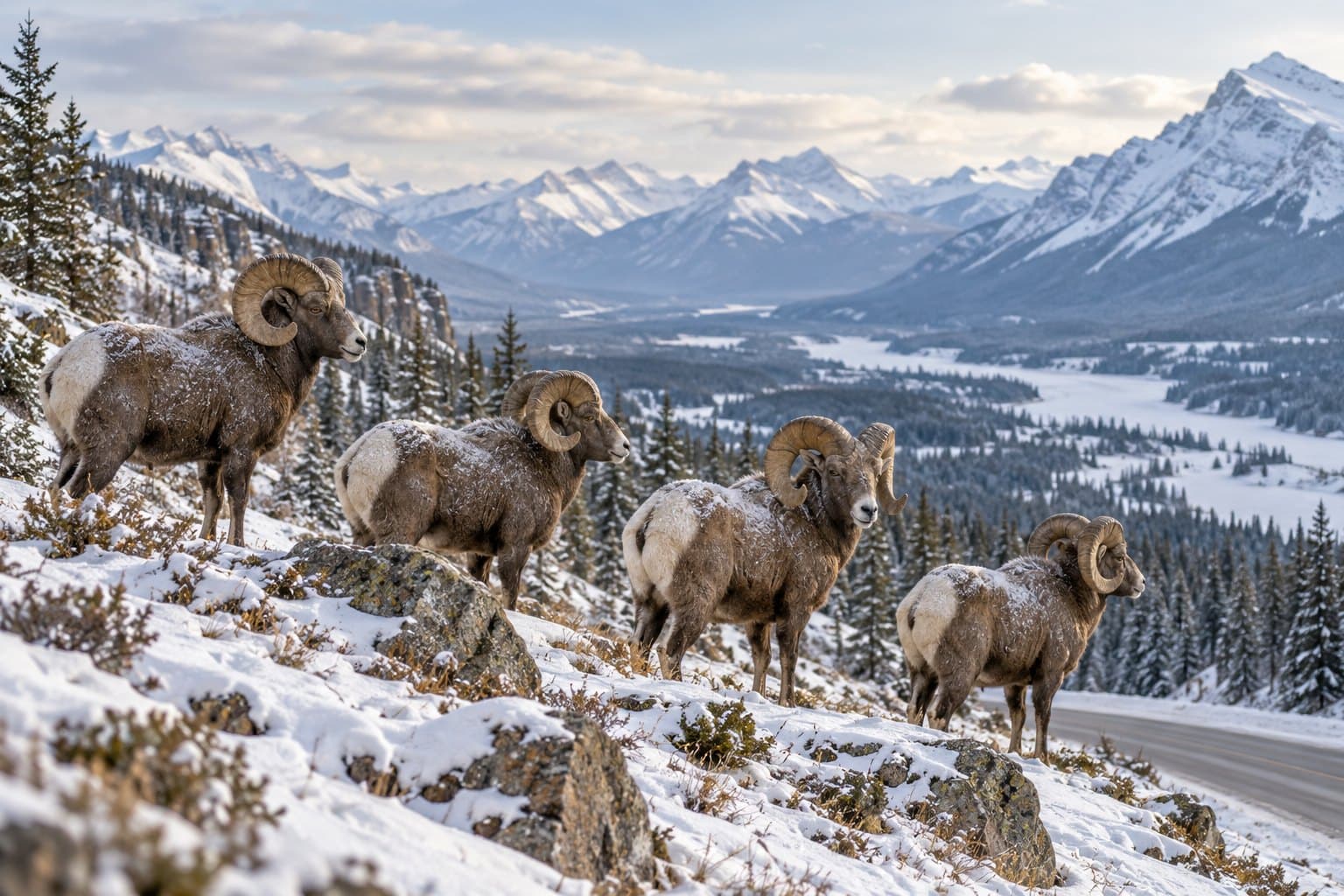
Winter is the best wildlife season in the Canadian Rockies and almost nobody plans a trip around it. The leaves are down, animals stand out against snow, and they concentrate at low elevation where the food is, which is exactly where the roads are.
What you can reasonably expect
Bighorn sheep. The easiest. They come to the roadside for grit and salt, particularly on the Lake Minnewanka loop, Highway 40 in Kananaskis and around the Jasper townsite. Groups of twenty are common.
Elk. Concentrated on valley bottoms all winter. Banff townsite fringes, the Bow Valley Parkway, and the Athabasca Valley in Jasper.
Deer, both mule and white-tailed. Everywhere, and easy to overlook.
Moose. Harder, but reliable in the willow flats: Vermilion Lakes, the wetlands along Highway 93A, and around Maligne Lake Road.
Wolves. The prize. The Bow Valley pack works the river flats and their tracks are all over the snow. Seeing one is luck, but winter is when the luck is best.
Coyotes, foxes and pine martens. Frequently seen, especially early morning.
Where to be, and when
First and last light, always. The middle of a winter day is dead. In practice that means being on the Bow Valley Parkway or the Minnewanka loop at sunrise, which in January is a civilised eight in the morning, and again at four in the afternoon.
The Icefields Parkway in winter is superb for wildlife and needs to be treated seriously as a drive.
The rules that matter
Parks Canada asks for 30 metres from most animals and 100 metres from bears, wolves and cougars. In winter the reason is not only safety: every calorie an animal spends running from you is one it cannot spend surviving until spring. Disturbing wildlife in winter costs it more than at any other time.
- Stay in the vehicle. It is the best hide and the safest place.
- Never feed anything. A roadside sheep that has learned to approach cars gets killed by one.
- Do not block the traffic lane. Pull fully off or move on.
- Give tracks a wide berth and do not follow them.
Photography
A long lens is not optional if you want frame-filling animals at a legal distance. Cold eats batteries: keep spares inside your coat. Shooting white snow needs positive exposure compensation or everything comes out grey.
Going with a driver
The best viewing hours are the darkest driving hours, and stopping safely on a snowy mountain road to watch something is a decision that wants a professional making it. A chauffeured wildlife morning means you are looking out of the window from first light instead of concentrating on the ice.
We run dawn and dusk winter wildlife drives from Calgary, Canmore and Banff, at a fixed rate, with heated vehicles and chauffeurs who know where the herds have been that week.
Going somewhere in this story?
Fixed rates, a professional chauffeur and a car that fits the weather. Tell us the date and we will quote it.
Book Transfer.Keep reading
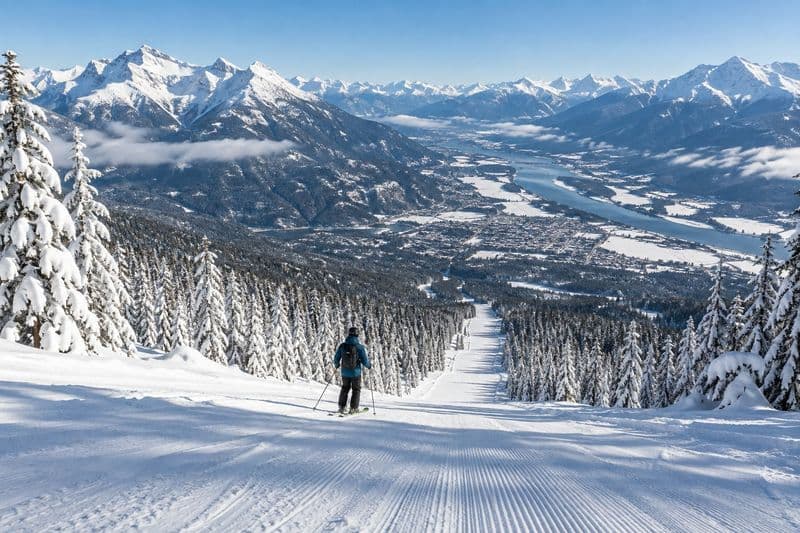
Revelstoke in Winter: North America’s Longest Descent, Four and a Half Hours from Calgary
The biggest vertical on the continent, ten metres of snow a year, heli and cat skiing on the doorstep, and Rogers Pass in between. How to plan a Revelstoke ski trip from Calgary.
Read the post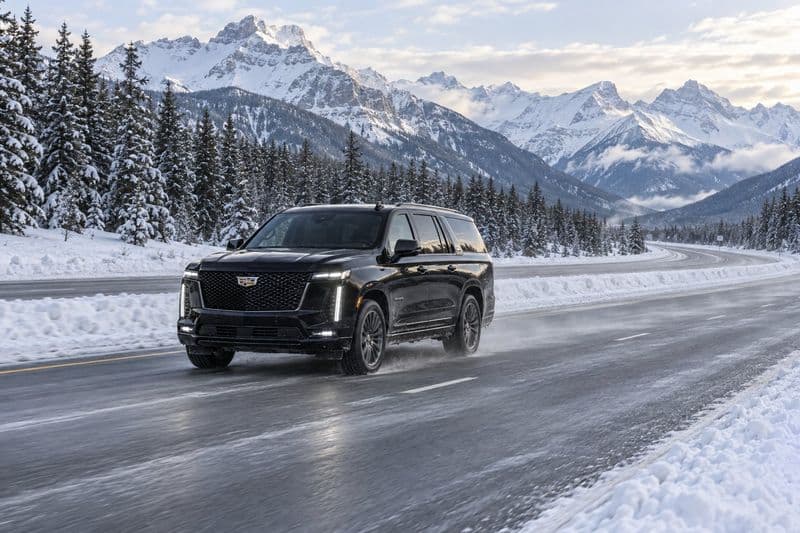
Winter Driving on Alberta Mountain Highways: What Actually Matters
Winter tires, black ice, the Lac des Arcs wind gap and what to keep in the car. The practical guide to Highway 1 and Highway 93 between November and April.
Read the post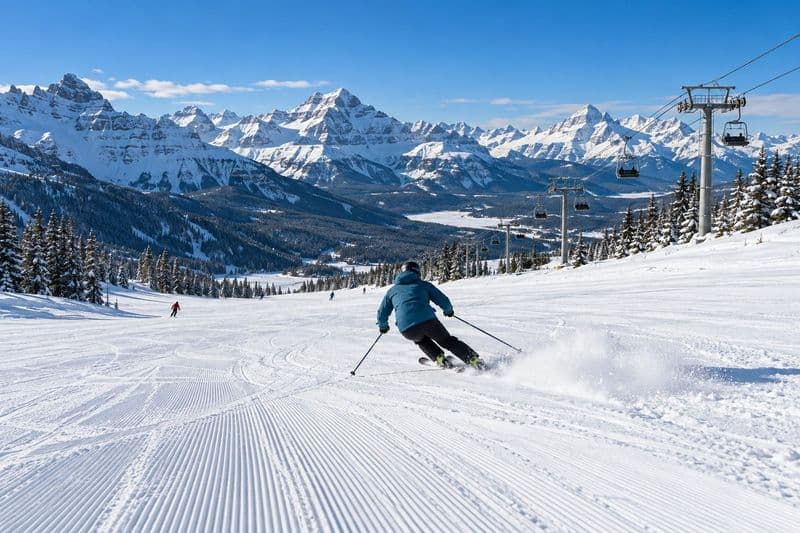
Every Ski Resort Within Reach of Calgary, Compared
Sunshine, Lake Louise, Norquay, Nakiska, Castle and Marmot Basin. Drive times, terrain, who each one suits and what the day actually costs.
Read the post