Winter Driving on Alberta Mountain Highways: What Actually Matters
Winter tires, black ice, the Lac des Arcs wind gap and what to keep in the car. The practical guide to Highway 1 and Highway 93 between November and April.
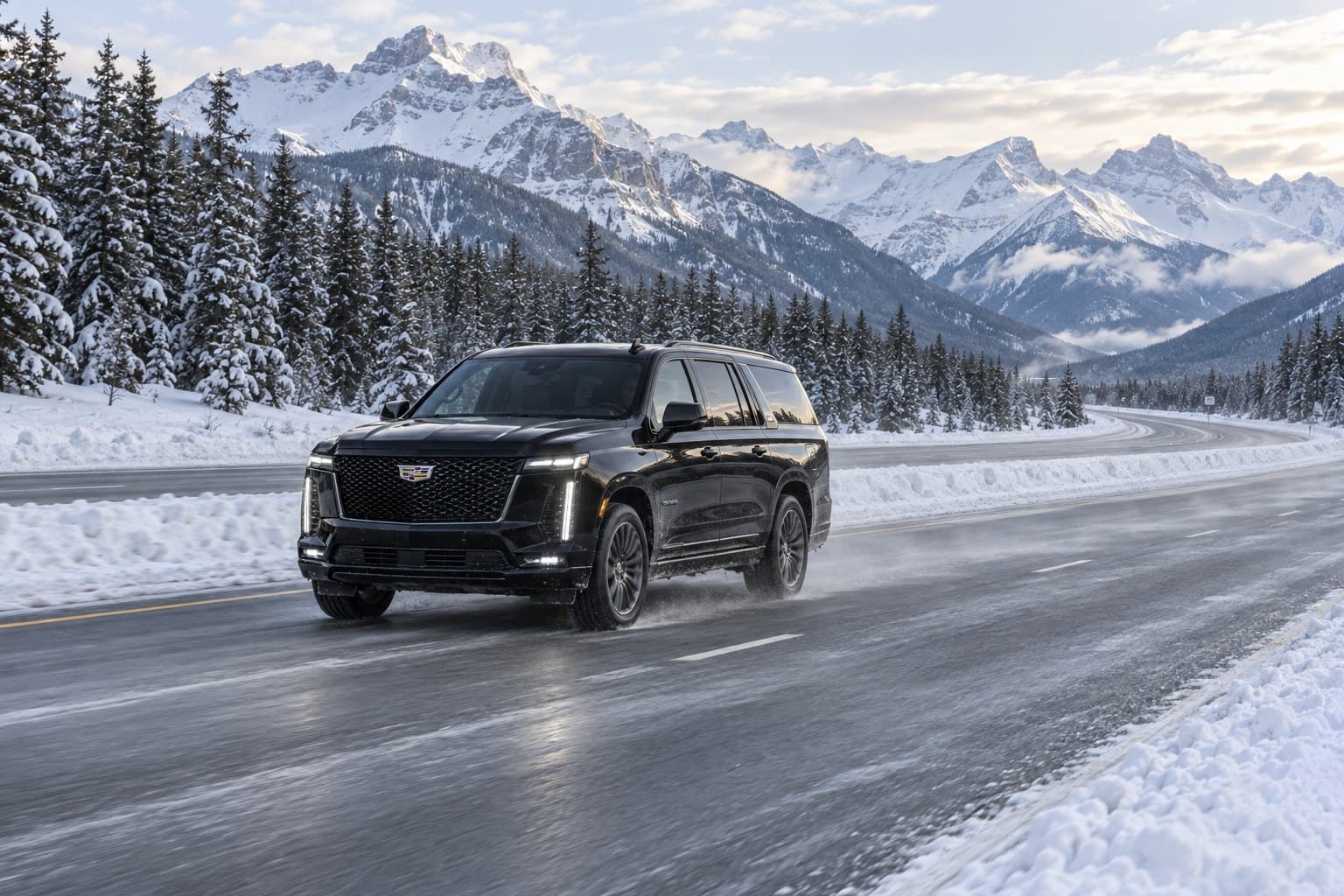
The drive from Calgary to Banff is ninety minutes and, for four months a year, it is a genuine mountain drive. Most days it is fine. The days it is not are the days that fill the ditches, and they rarely announce themselves at the airport.
Winter tires, and where the law actually applies
Alberta does not require winter tires. British Columbia does, on designated highways from 1 October to 30 April, and this catches people out because several routes out of Banff cross the provincial boundary: Highway 93 South through Kootenay, and the Trans-Canada west of the Great Divide.
Ignore the legal question and answer the practical one. All-season tires below about seven degrees are hard rubber on cold pavement. Winter tires are the single biggest difference you can make to a mountain drive, and no amount of all-wheel drive substitutes for them. All-wheel drive helps you go. Tires are what let you stop.
The specific places it goes wrong
Scott Lake Hill, west of Calgary, is the first real grade and the first place the surface changes.
The Lac des Arcs wind gap, between Dead Man's Flats and Canmore, funnels wind hard enough to blow snow across the highway and drop visibility to nothing in a hundred metres. It is the most consistently dangerous stretch on the run.
The Bow Valley shadow between Canmore and Banff holds ice on the shaded curves long after the rest of the road has dried.
Highway 93 North, the Icefields Parkway, is not a road to learn winter driving on. No services, no cell coverage, avalanche closures, and a long way to help.
Chinooks, which are not the relief they seem
A chinook can lift Calgary from minus twenty to plus ten in a few hours. It also melts the surface snow, which then refreezes overnight into the smoothest, clearest ice you will ever try to stop on. The morning after a chinook is one of the worst mornings of the year to drive.
What to carry
- A charged phone and a car charger, and no expectation of signal past Lake Louise.
- A shovel, a blanket, and warm layers you are not wearing.
- Water and something to eat. Highway closures for avalanche control routinely run hours.
- A scraper that reaches the middle of the windscreen.
- A full tank leaving Calgary. Fuel on the Parkway is unreliable in winter.
Check before you go, not the night before
Alberta 511 is the authority on road conditions and closures, and it changes hour to hour. DriveBC covers the British Columbia sections. Check both the morning you leave.
When it is worth handing over
Most of our winter work is people who are perfectly capable drivers and have decided that arriving relaxed is worth more than the rental. Our vehicles are on winter tires from mid-October, our chauffeurs drive the corridor daily and know exactly which stretch is bad on which day, and if Highway 1 is closed we know before you do.
Fixed rate, flight tracking, and no surge pricing when the weather turns. Send us the date and the route.
Going somewhere in this story?
Fixed rates, a professional chauffeur and a car that fits the weather. Tell us the date and we will quote it.
Book Transfer.Keep reading
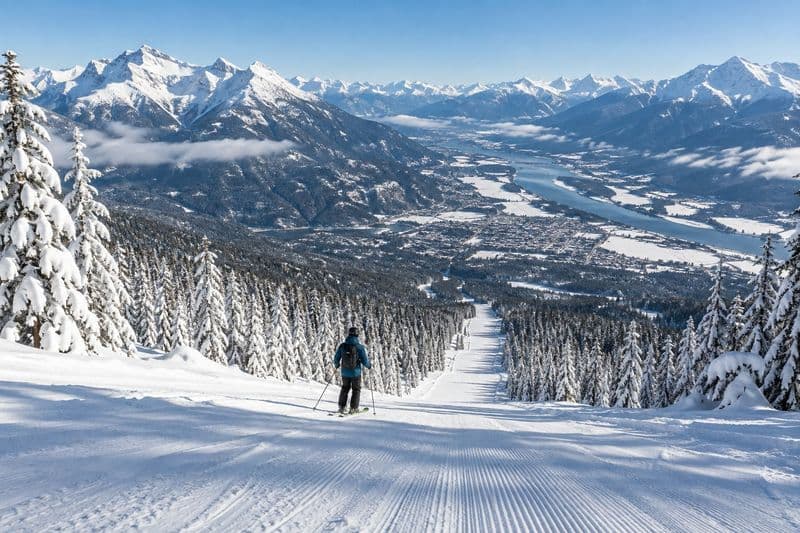
Revelstoke in Winter: North America’s Longest Descent, Four and a Half Hours from Calgary
The biggest vertical on the continent, ten metres of snow a year, heli and cat skiing on the doorstep, and Rogers Pass in between. How to plan a Revelstoke ski trip from Calgary.
Read the post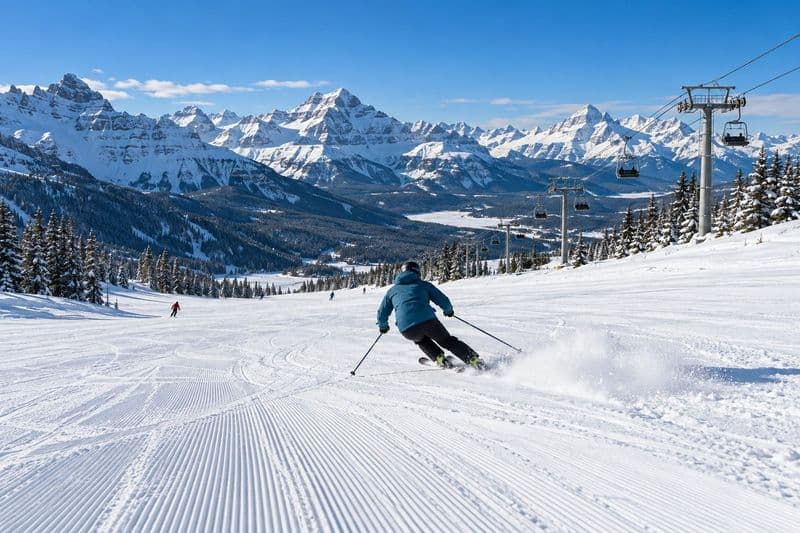
Every Ski Resort Within Reach of Calgary, Compared
Sunshine, Lake Louise, Norquay, Nakiska, Castle and Marmot Basin. Drive times, terrain, who each one suits and what the day actually costs.
Read the post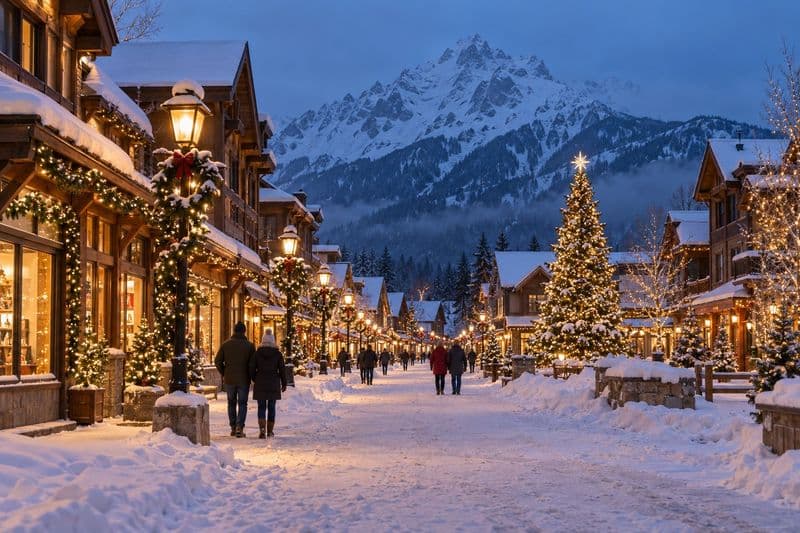
Winter Festivals in Banff and Lake Louise, Month by Month
Christmas markets in November, ice carving in January, SnowDays in the same month. What is on in the Bow Valley between November and March, and what is worth planning around.
Read the post